How to Identify aBlue-headed Vireo
Vireo solitarius · 4.7–5.9 in (12–15 cm)
Male vs. female
Male
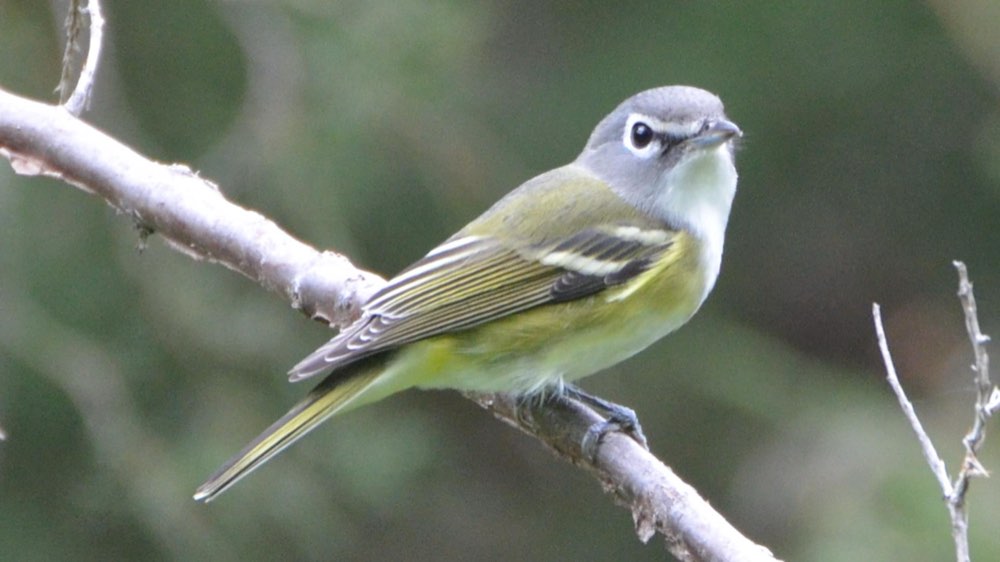
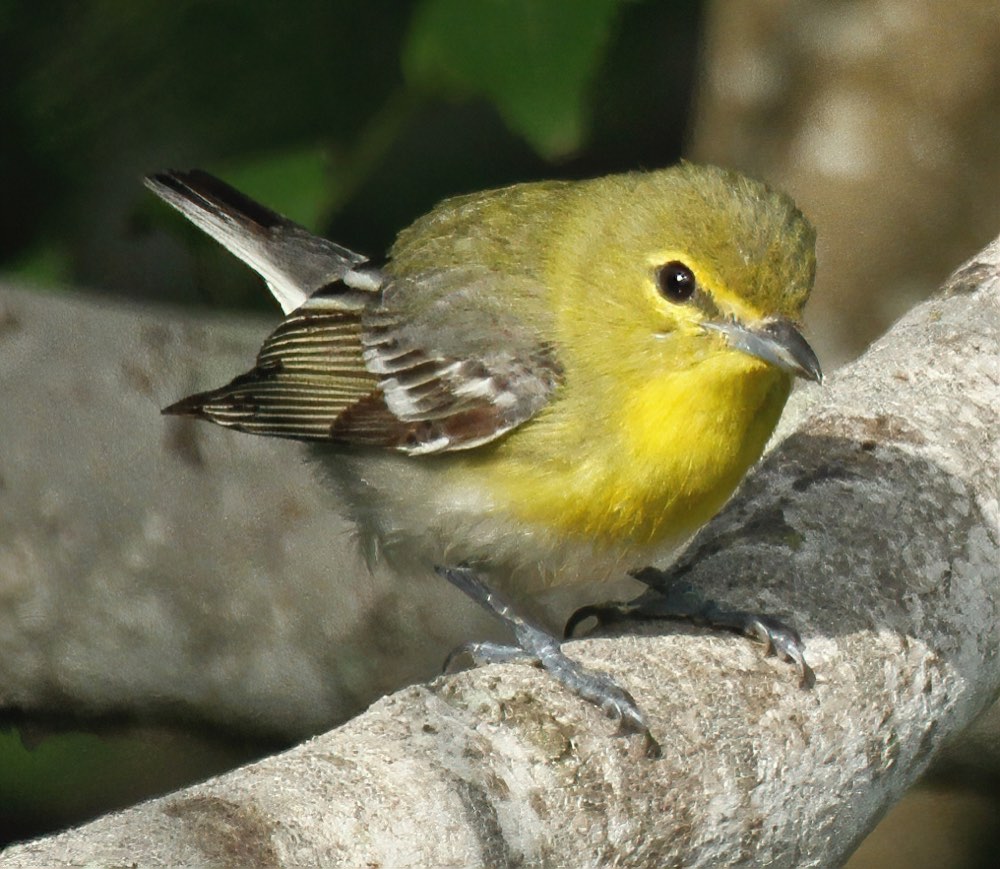
Blue-gray head with striking white spectacles, olive-green back, two white wingbars and yellow-green flanks. Sexes look alike.
Female
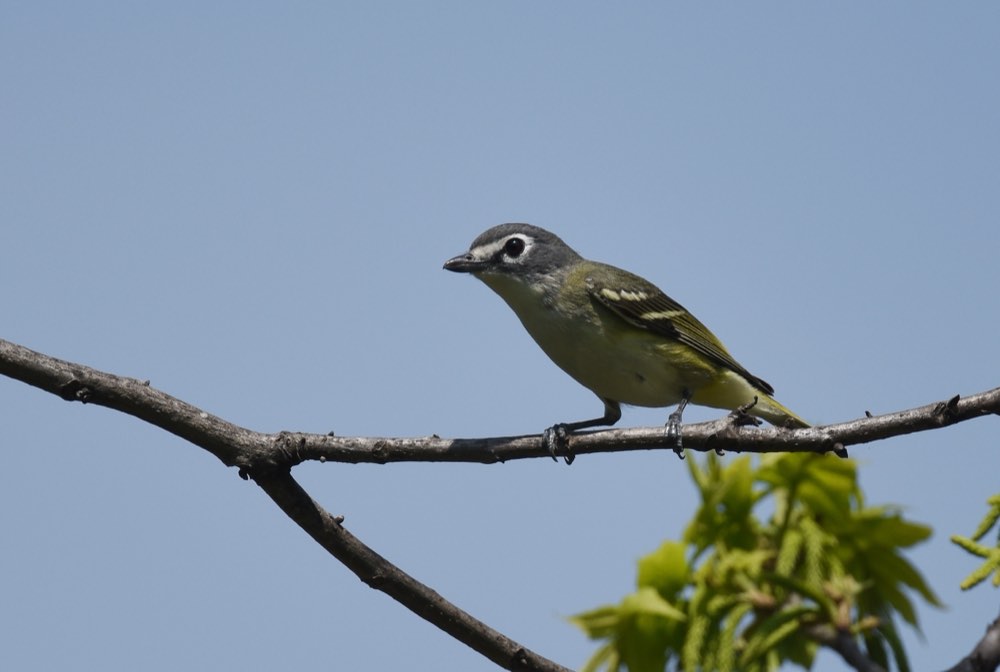
Identical to the male in the field.
Male photo: Andy Reago & Chrissy McClarren / Wikimedia, CC BY 2.0 · Second photo: Wildreturn / Wikimedia, CC BY 2.0
Field marks
- Bold white spectacles standing out on a blue-gray head
- Clean white throat cut sharply from the gray head
- Two crisp white wingbars
- Yellow-olive wash along the sides
Similar species
What it sounds like
Slow, sweet, deliberate whistled phrases with long pauses, sounding almost thoughtful.
Behaviour that gives it away
Moves through the canopy far more slowly and deliberately than a warbler, which is often the first clue it is a vireo.
Habitat & range
Mixed and conifer forest across the Northeast, Appalachians and boreal zone.
When you'll see it
Depending on where in northern and eastern North America you are, it is a summer visitor that arrives to breed and a passage migrant, seen mainly in spring and autumn.
What it eats
Caterpillars and other insects, plus fruit in autumn.
Did you know?
It was split from the Solitary Vireo in 1997, along with the western Cassin’s and Plumbeous Vireos.
Spot one yourself?
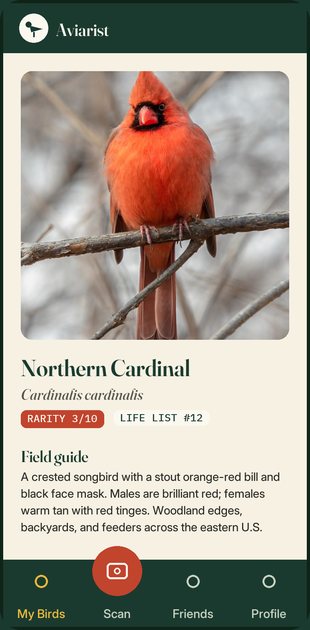
Point your camera at any bird and Aviarist identifies it in seconds — then logs it to your life list.
Get Aviarist on Google Play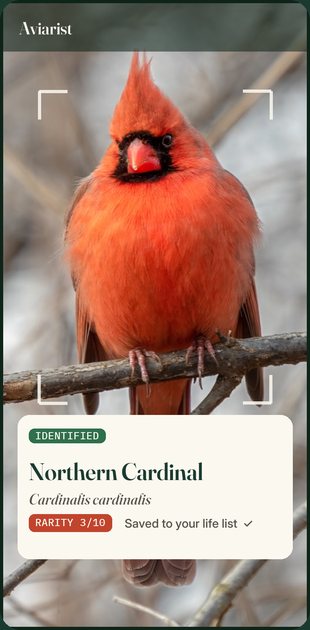
More backyard birds
.jpg)

Other apps we make