How to Identify aCanvasback
Aythya valisineria · 19–22 in (48–56 cm)
Male vs. female
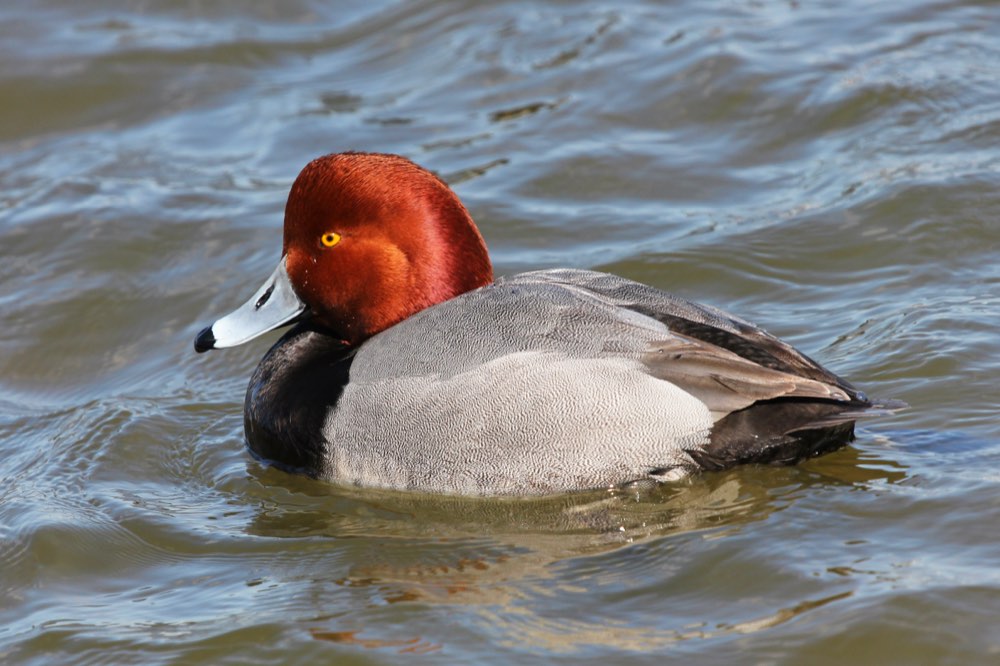
Male
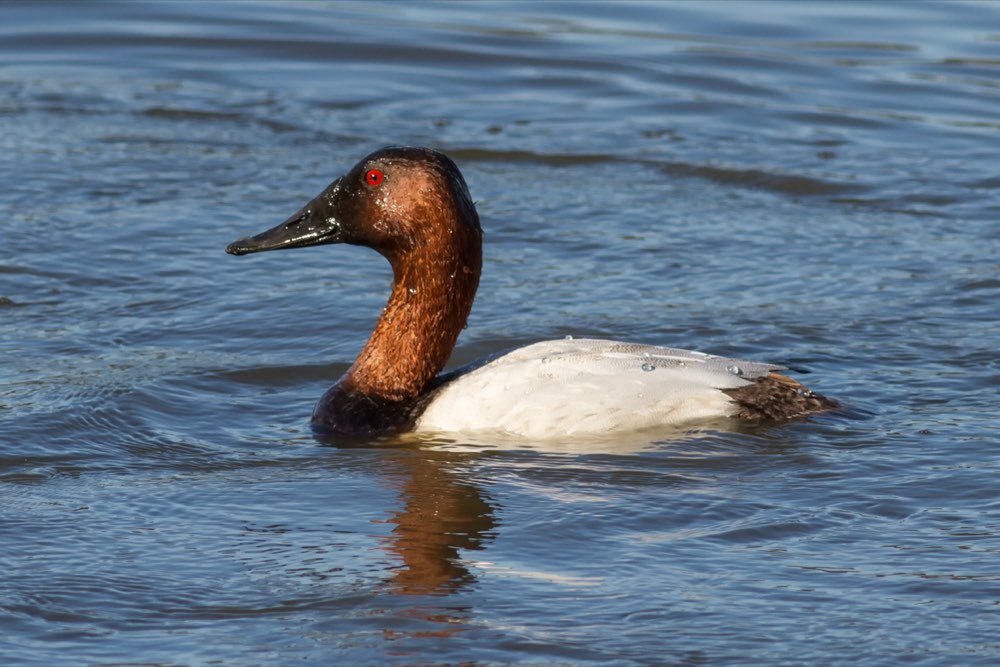
Chestnut-red head and neck, black chest, and a body so pale it looks white at a distance; red eye.
Female
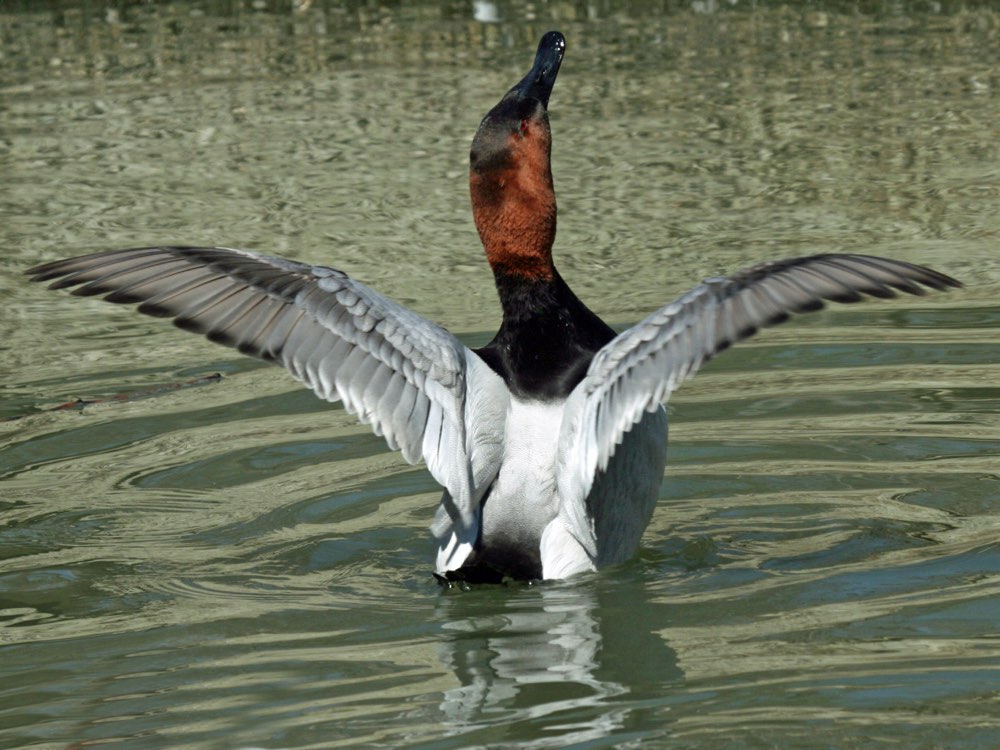
Soft gray-brown with a pale tan head and the same long sloping profile.
Male photo: Frank Schulenburg / Wikimedia, CC BY-SA 3.0 · Second photo: Dick Daniels (http://theworldbirds.org/) / Wikimedia, CC BY-SA 3.0
Field marks
- Forehead slopes in an unbroken line into a long black bill
- Body noticeably whiter than any other diving duck
- Red eye on the male
- Rides low with the head held forward
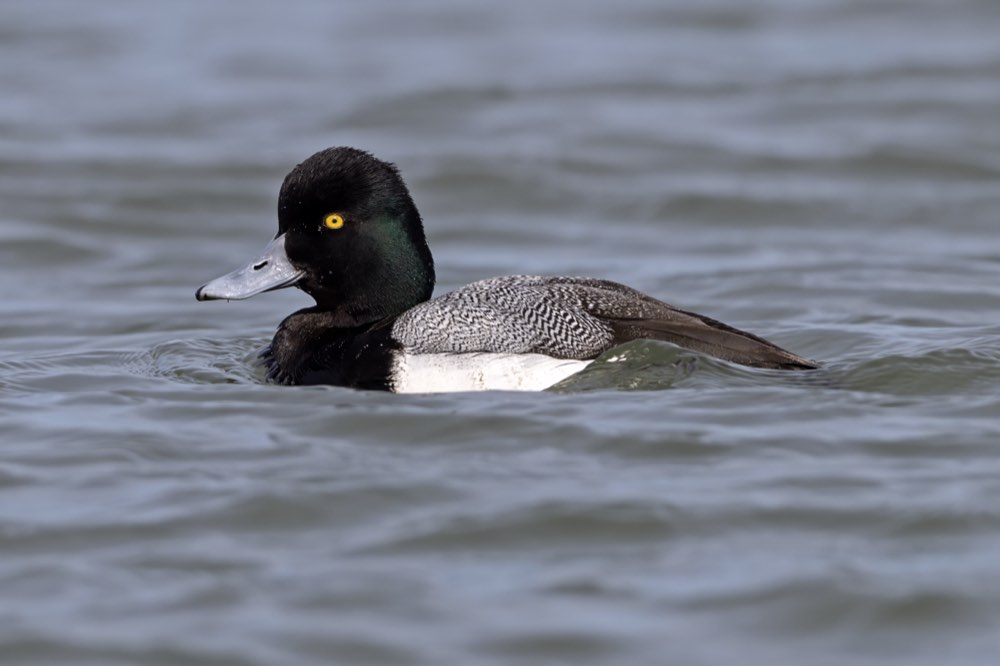
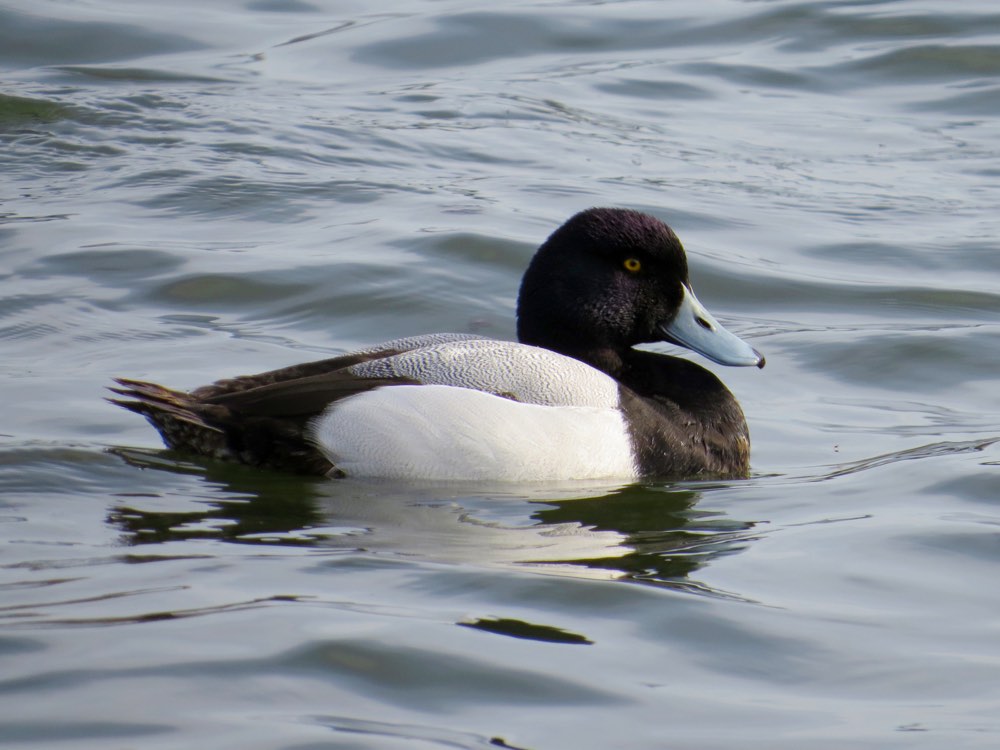
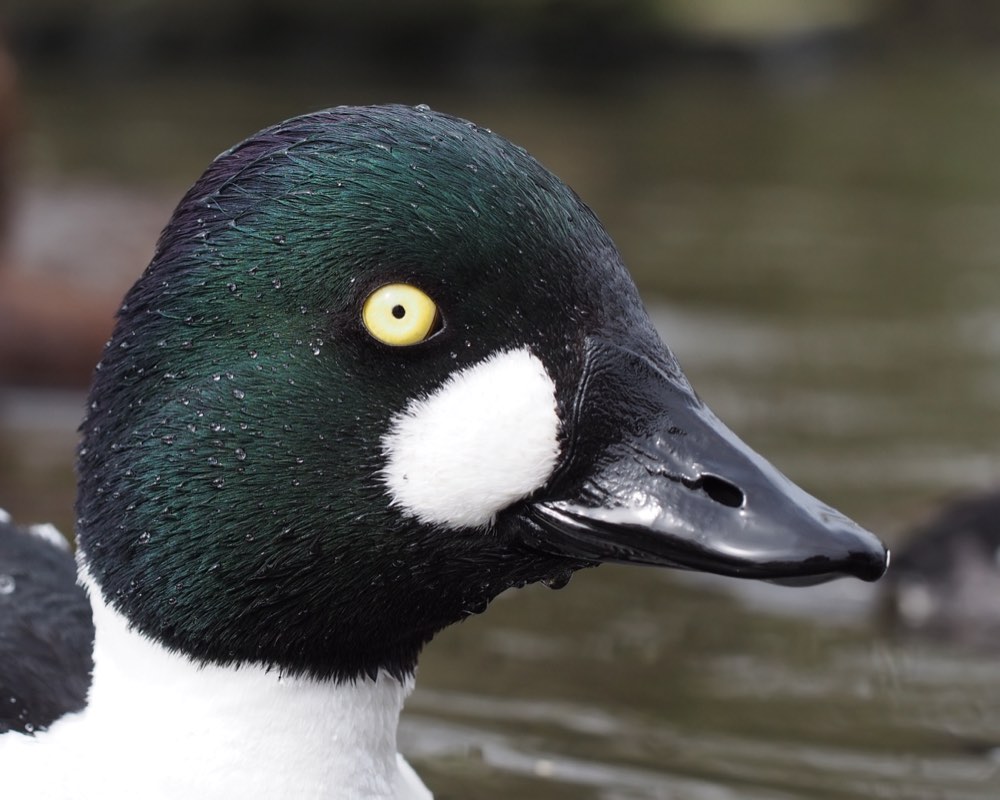
Similar species
What it sounds like
Mostly silent; males give a soft cooing during courtship, females a low growl.
Behaviour that gives it away
Dives for the roots and tubers of aquatic plants, so it gathers wherever wild celery and pondweed still grow.
Habitat & range
Prairie marshes in summer; large lakes, reservoirs and coastal bays in winter.
When you'll see it
Depending on where in central, western and eastern North America you are, it is a winter visitor and a passage migrant, seen mainly in spring and autumn.
What it eats
Roots and tubers of aquatic plants, plus molluscs and insects.
Did you know?
Its scientific name comes from wild celery, Vallisneria, the plant whose tubers it favours above all other food.
Spot one yourself?
Point your camera at any bird and Aviarist identifies it in seconds — then logs it to your life list.
Get Aviarist on Google Play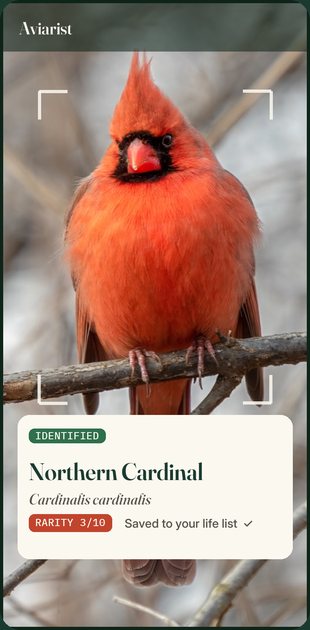
More backyard birds

_RWD2.jpg)
Other apps we make