How to Identify aPrairie Warbler
Setophaga discolor · 4.3 in (11 cm)
Male vs. female
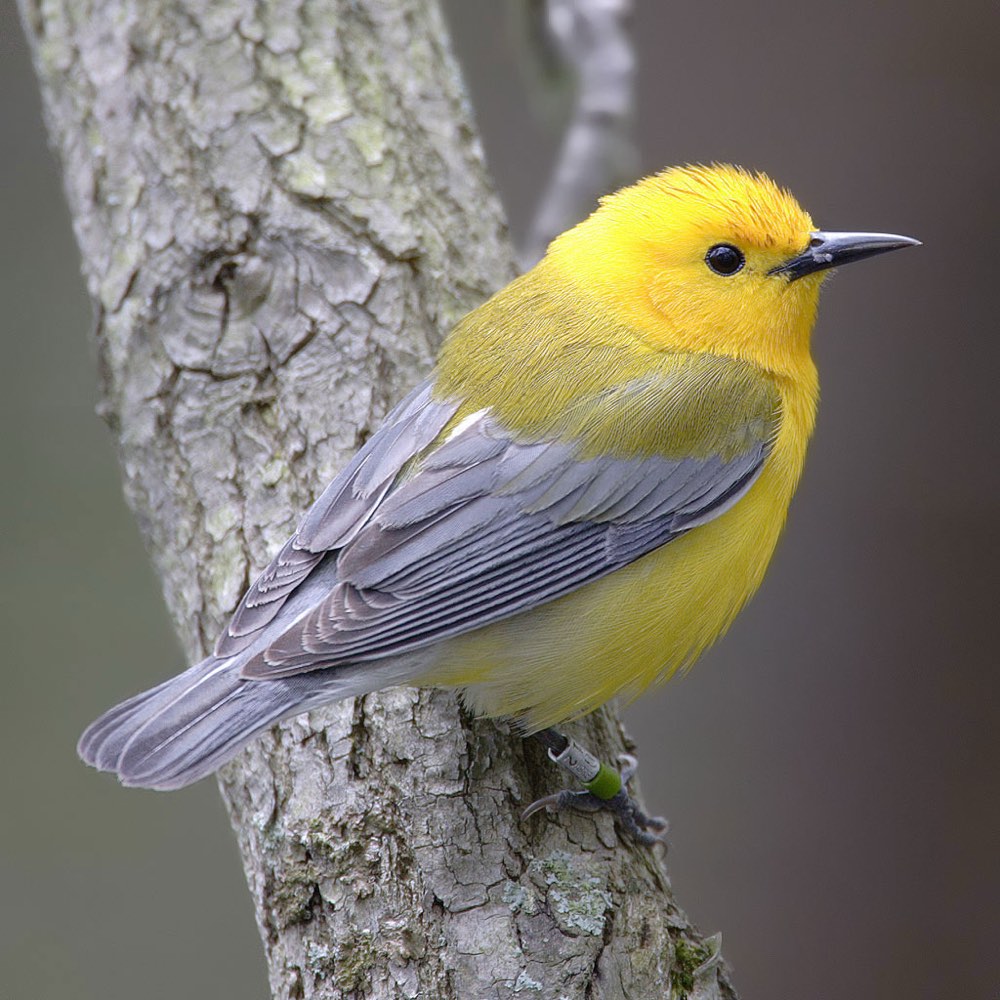
Male
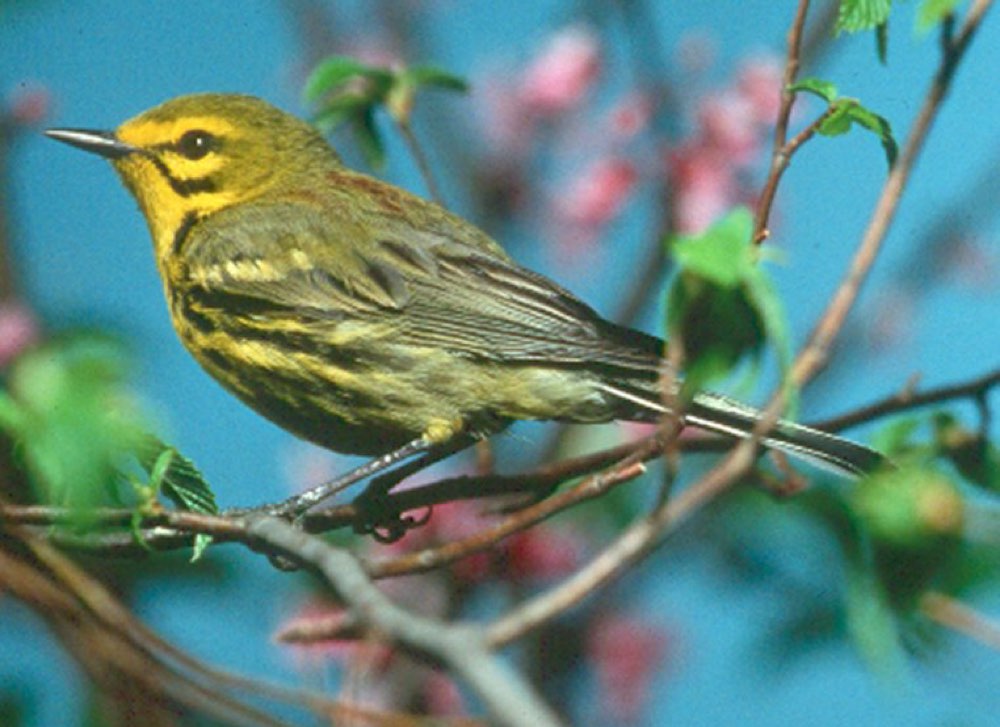
Olive-green above with chestnut streaks on the back, bright yellow below with black side streaks and two black facial crescents.
Female
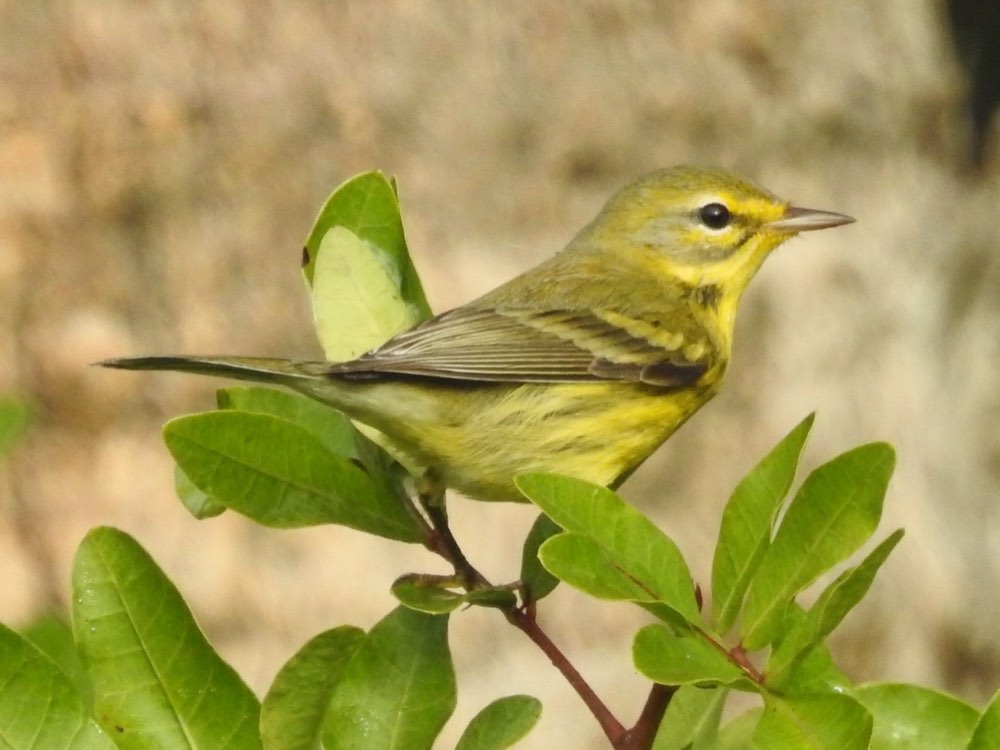
Similar but duller, with fainter face marks and little chestnut on the back.
Male photo: Wikimedia Commons / Wikimedia, Public domain · Female photo: JeffreyGammon / Wikimedia, CC BY 4.0
Field marks
- Black crescent below the eye and another through it
- Chestnut streaking on the upper back
- Bobs its tail continually
- Black streaks along yellow flanks
Similar species
What it sounds like
A rising series of buzzy "zee" notes climbing the scale like a ladder.
Behaviour that gives it away
Pumps its tail almost constantly while foraging, one of only a handful of warblers that do.
Habitat & range
Scrubby old fields, pine barrens and regenerating clearcuts — despite the name, not prairie.
When you'll see it
A summer visitor that arrives to breed in eastern, southeastern and central North America.
What it eats
Insects and spiders gleaned from low shrubs.
Did you know?
It does not live on prairies at all; Alexander Wilson named it from a bird found in a Kentucky "barren", which locals called a prairie.
Spot one yourself?
Point your camera at any bird and Aviarist identifies it in seconds — then logs it to your life list.
Get Aviarist on Google Play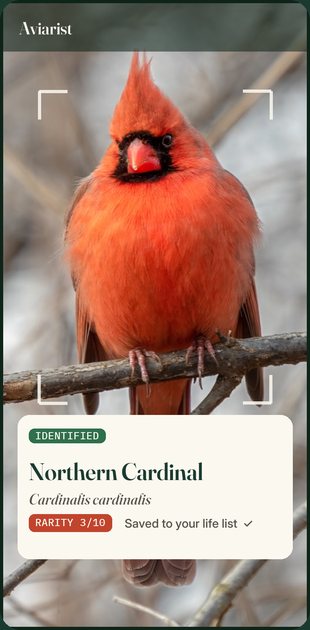
More backyard birds


Other apps we make