How to Identify aScissor-tailed Flycatcher
Tyrannus forficatus · 8.7–14.6 in (22–37 cm)
Male vs. female
Male
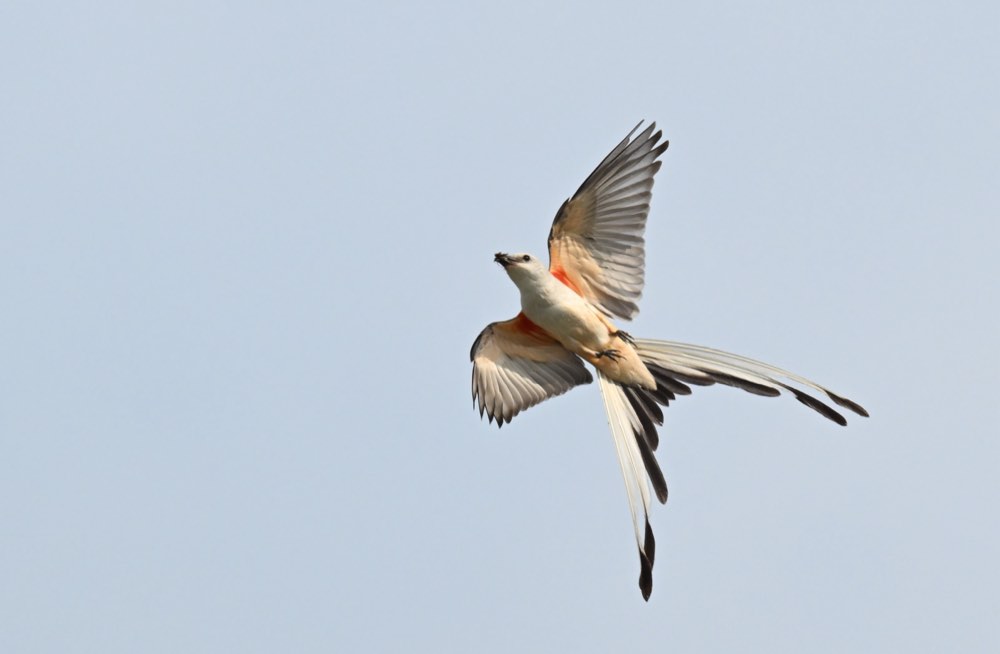
Pale pearly gray with salmon-pink sides and wingpits, black wings, and a tail streaming far behind in two long forks.
Female
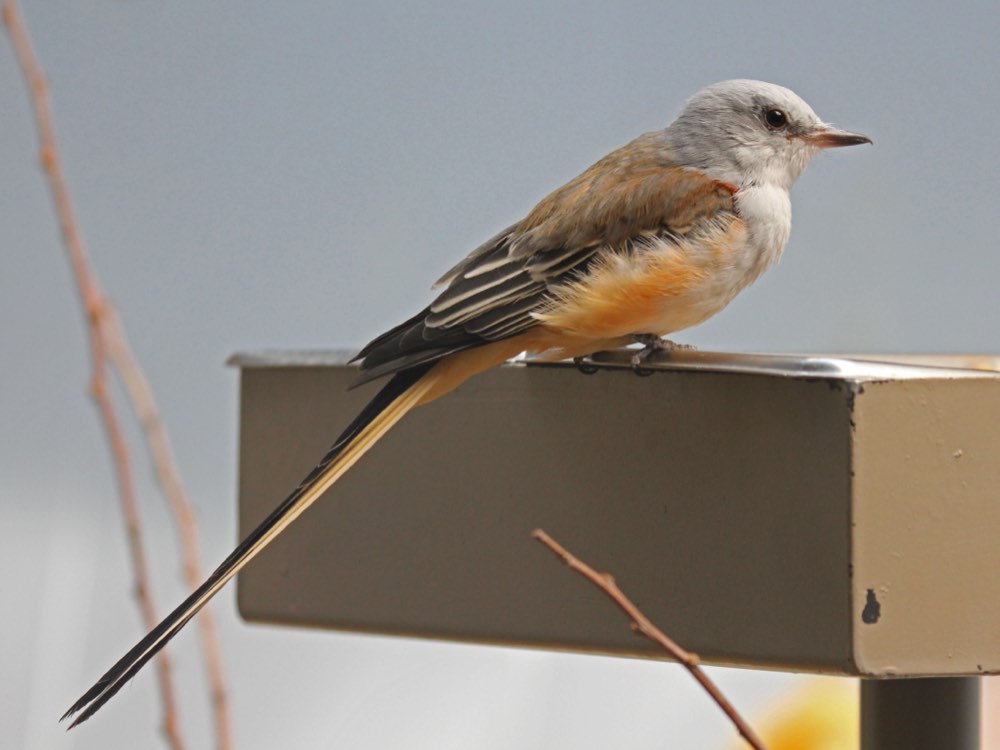
Similar but paler pink and with a noticeably shorter tail.
Male photo: Andy Reago & Chrissy McClarren / Wikimedia, CC BY 2.0 · Second photo: DickDaniels (http://theworldbirds.org/) / Wikimedia, CC BY-SA 3.0
Field marks
- Very long deeply forked tail, opened and closed like scissors
- Salmon-pink flanks and underwings
- Pale gray head and chest
- Perches on wires and fences in open country
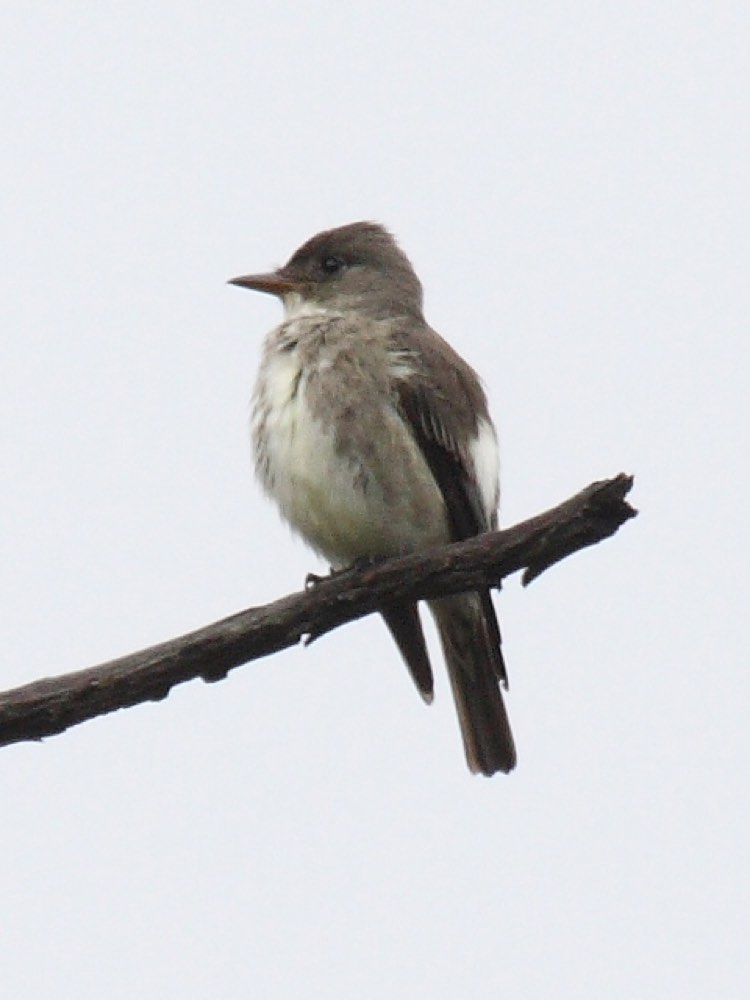
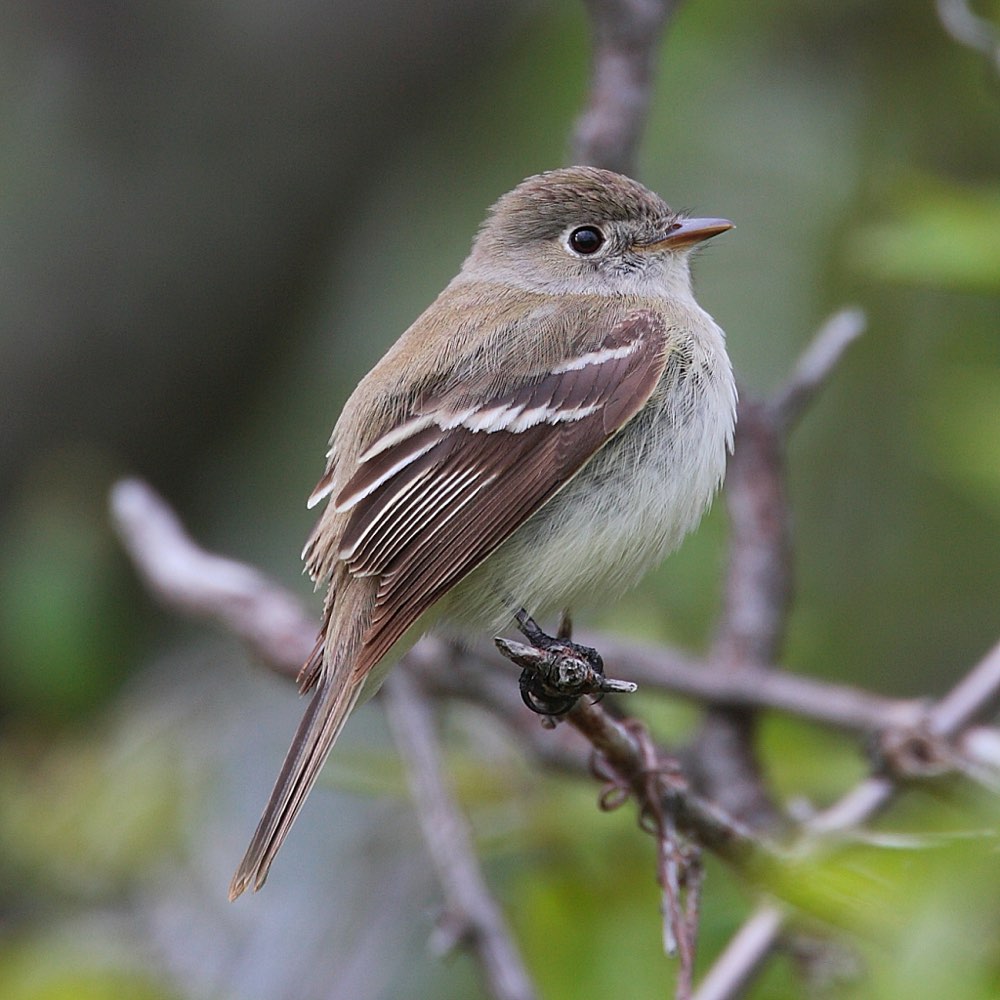
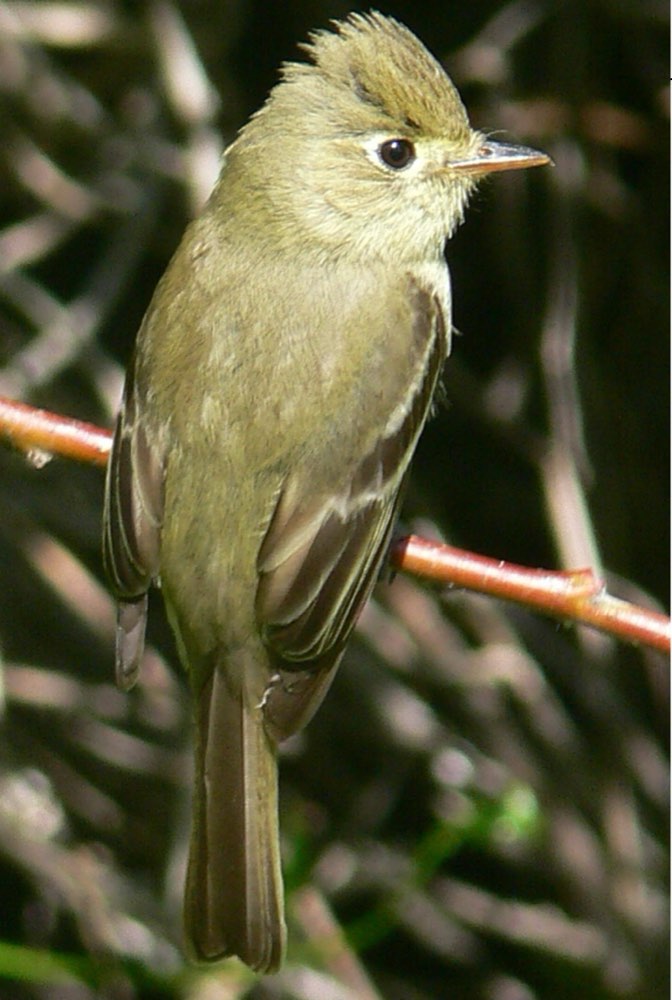
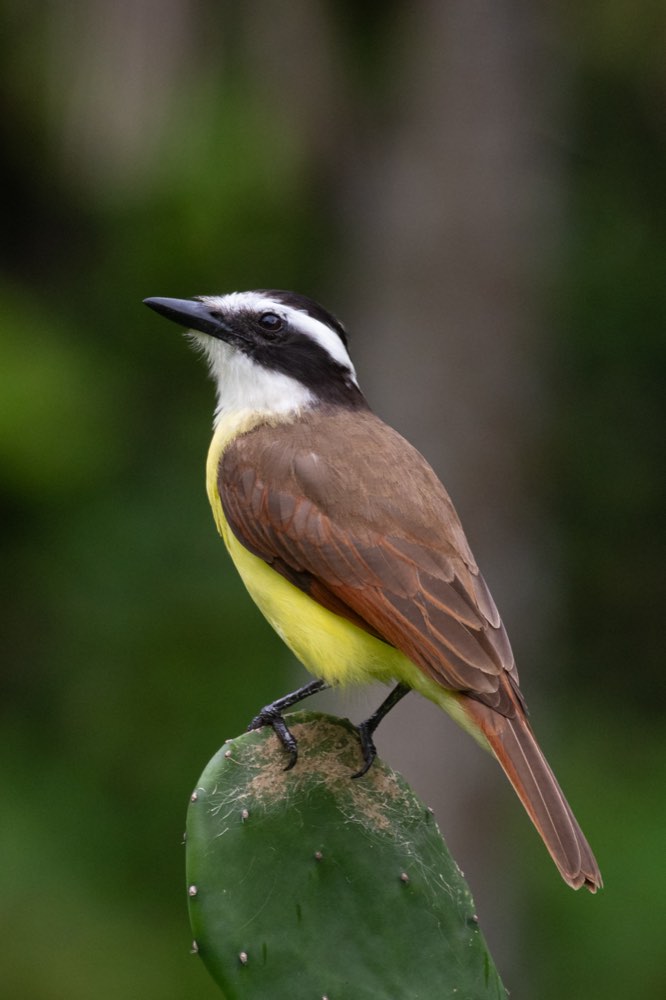
Similar species
What it sounds like
A sharp, bickering "kew" and a rapid stuttering chatter.
Behaviour that gives it away
Opens and closes its tail like scissors in flight, and males perform tumbling sky dances over their territory.
Habitat & range
Open country, ranchland, roadsides and towns of the southern plains.
When you'll see it
A summer visitor that arrives to breed in central and southwestern North America.
What it eats
Grasshoppers, crickets and other insects caught in the air or on the ground.
Did you know?
It is the state bird of Oklahoma, and its tail can be longer than the rest of the bird put together.
Spot one yourself?
Point your camera at any bird and Aviarist identifies it in seconds — then logs it to your life list.
Get Aviarist on Google Play
More backyard birds


Other apps we make