How to Identify aLesser Yellowlegs
Tringa flavipes · 9.1–10.6 in (23–27 cm)
Male vs. female
Male
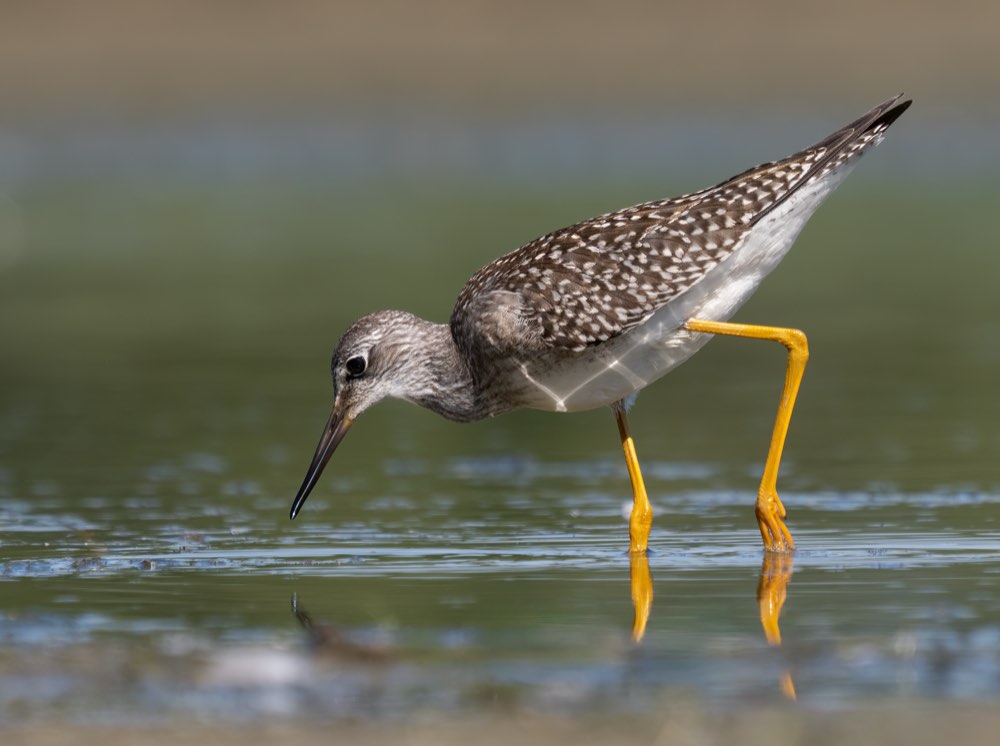
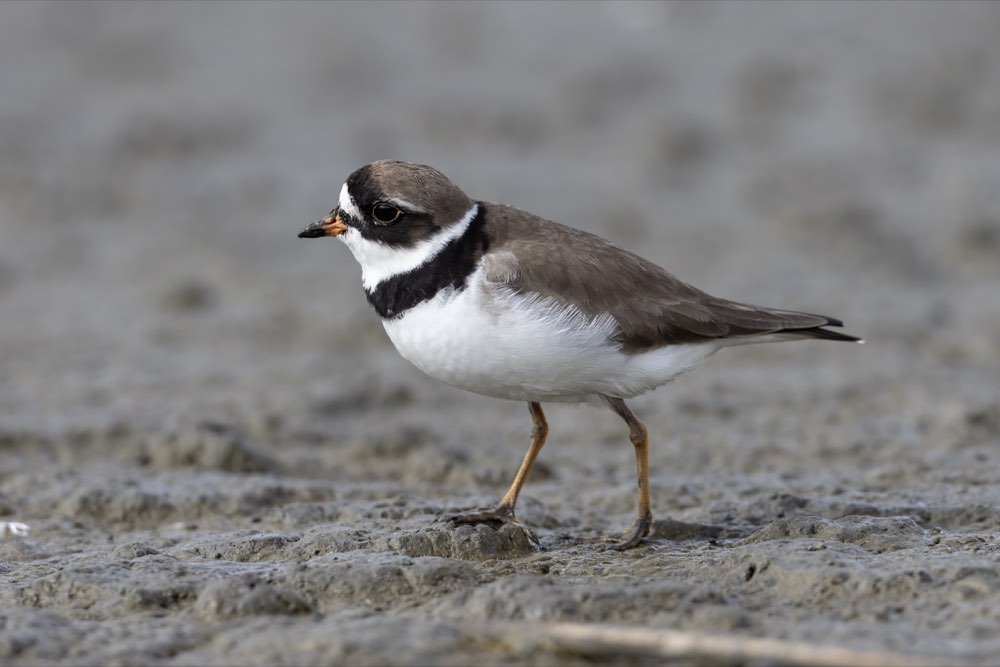
Gray-brown flecked white above, whitish below, with long lemon-yellow legs and a fine straight dark bill. Sexes look alike.
Female
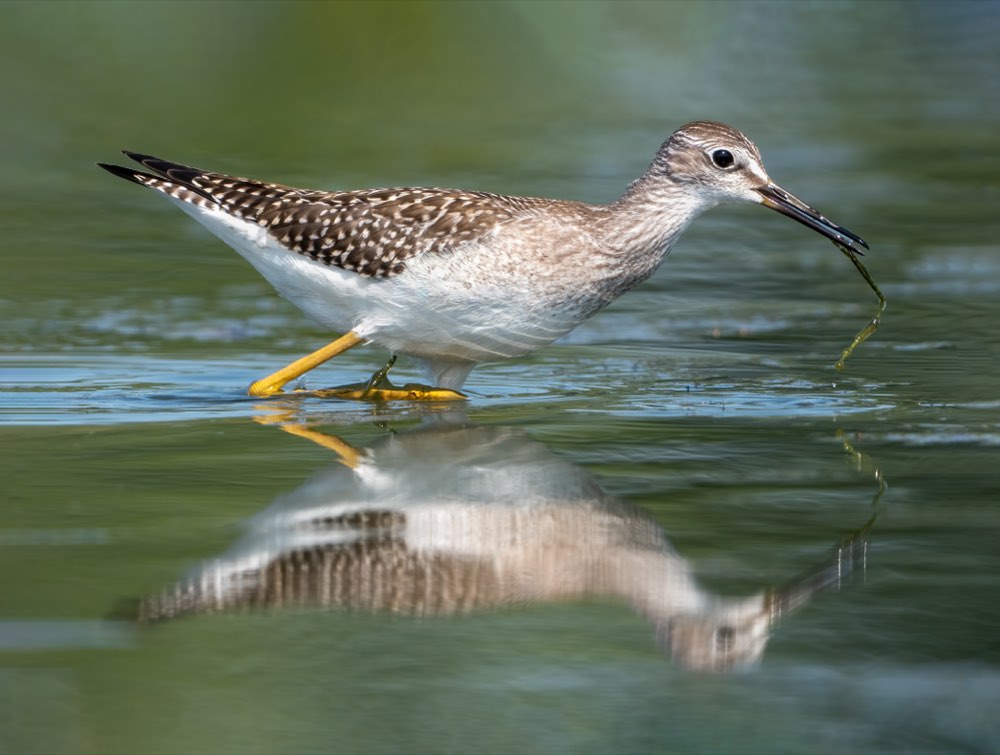
Identical to the male in the field.
Male photo: Rhododendrites / Wikimedia, CC BY-SA 4.0 · Second photo: Rhododendrites / Wikimedia, CC BY-SA 4.0
Field marks
- Bill straight and about the same length as the head
- Bright yellow legs
- White rump in flight with a finely barred tail
- Delicate, small-headed look
Similar species
What it sounds like
A soft, flat, one- or two-note "tew tew", much less strident than a Greater Yellowlegs.
Behaviour that gives it away
Picks daintily at the water surface rather than chasing fish, which separates it from the Greater at any distance.
Habitat & range
Mudflats, flooded fields, marsh edges and pond margins on migration.
When you'll see it
Depending on where in North America you are, it is a winter visitor and a passage migrant, seen mainly in spring and autumn.
What it eats
Aquatic insects, small crustaceans and worms.
Did you know?
Telling it from the Greater Yellowlegs is a classic birding puzzle, and voice remains the most reliable clue.
Spot one yourself?
Point your camera at any bird and Aviarist identifies it in seconds — then logs it to your life list.
Get Aviarist on Google Play
More backyard birds
.jpg)
.jpg)
Other apps we make