How to Identify aSemipalmated Plover
Charadrius semipalmatus · 5.5–7.5 in (14–19 cm)
Male vs. female
Male
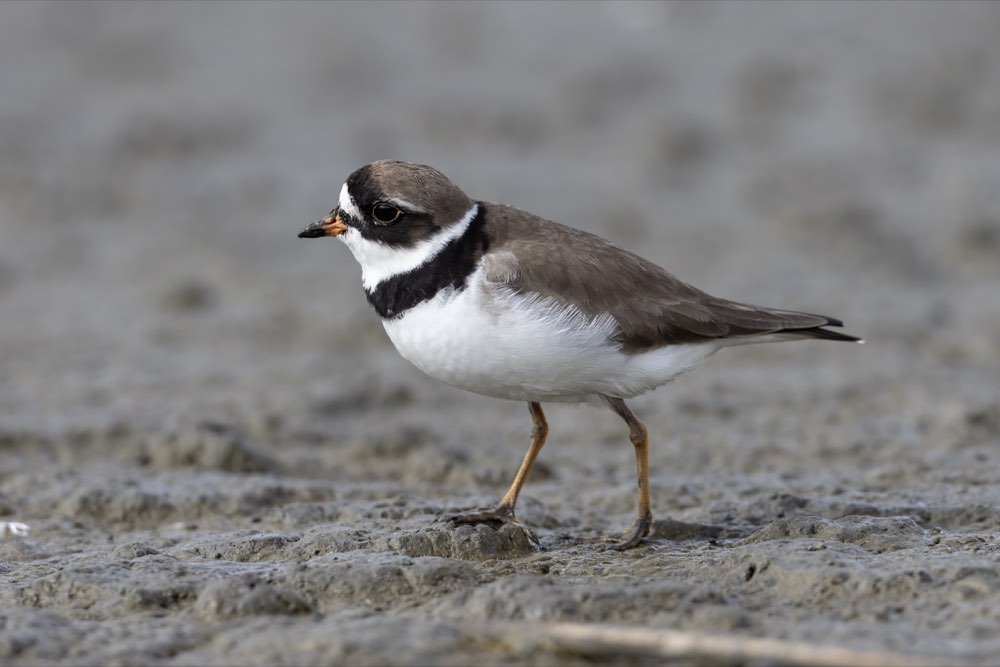
Mud-brown above, white below, with one crisp black chest band, a black mask and a small orange bill tipped black. Sexes look alike.
Female
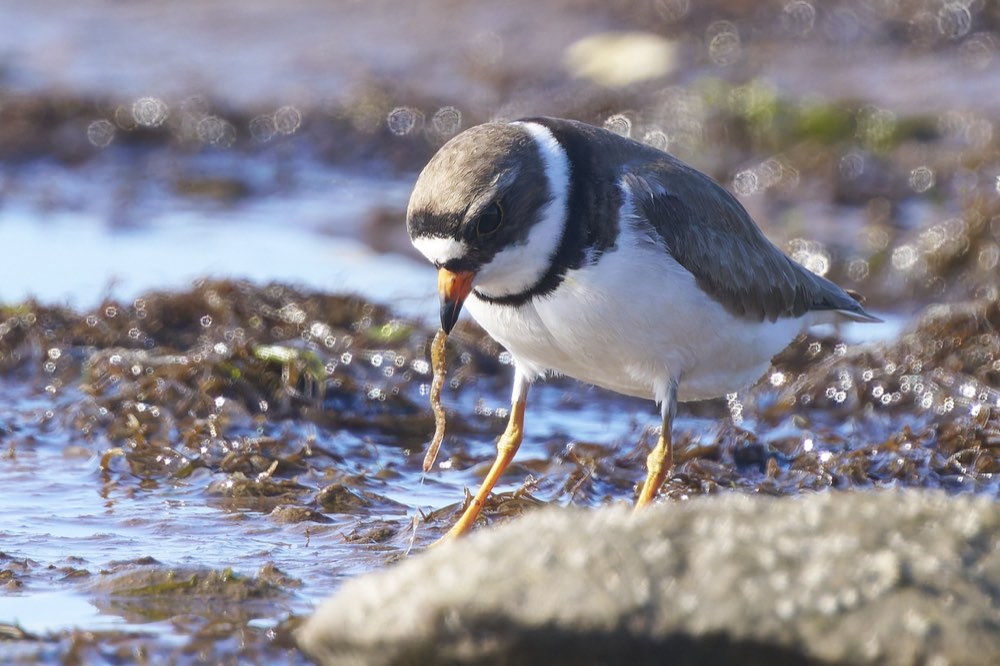
Like the male but the black markings average browner.
Male photo: Chuck Homler d/b/a Focus On Wildlife / Wikimedia, CC BY-SA 4.0 · Second photo: Paul Danese / Wikimedia, CC BY-SA 4.0
Field marks
- One black chest band, not two
- Short stubby bill, orange with a black tip
- Orange legs
- Runs in short bursts then stops abruptly
Similar species
What it sounds like
A clear, rising, whistled "chu-weet", often given in flight.
Behaviour that gives it away
Feeds in the run-stop-peck rhythm typical of plovers, spotting prey by sight rather than probing.
Habitat & range
Mudflats, beaches and shorelines on migration; Arctic tundra in summer.
When you'll see it
Depending on where in North America you are, it is a winter visitor and a passage migrant, seen mainly in spring and autumn.
What it eats
Marine worms, small crustaceans and insects.
Did you know?
The name comes from the partial webbing between its toes, visible only in the hand.
Spot one yourself?
Point your camera at any bird and Aviarist identifies it in seconds — then logs it to your life list.
Get Aviarist on Google Play
More backyard birds
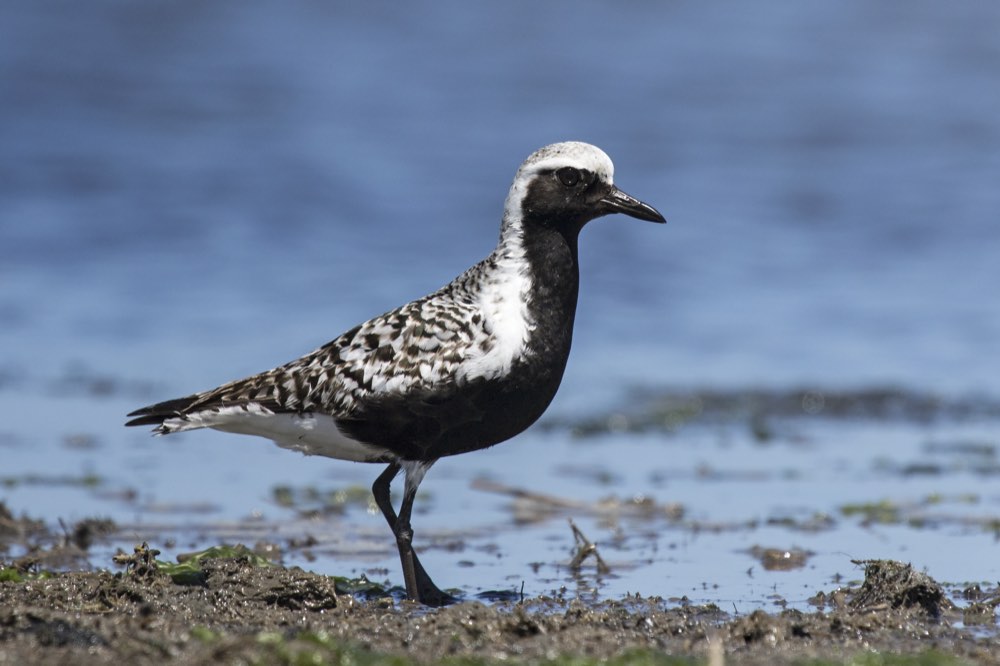
_Heislerville_Wildlife_Management_Area,_New_Jersey,_USA.jpg)

Other apps we make