How to Identify aPacific Wren
Troglodytes pacificus · 3.1–4.7 in (8–12 cm)
Male vs. female
Male
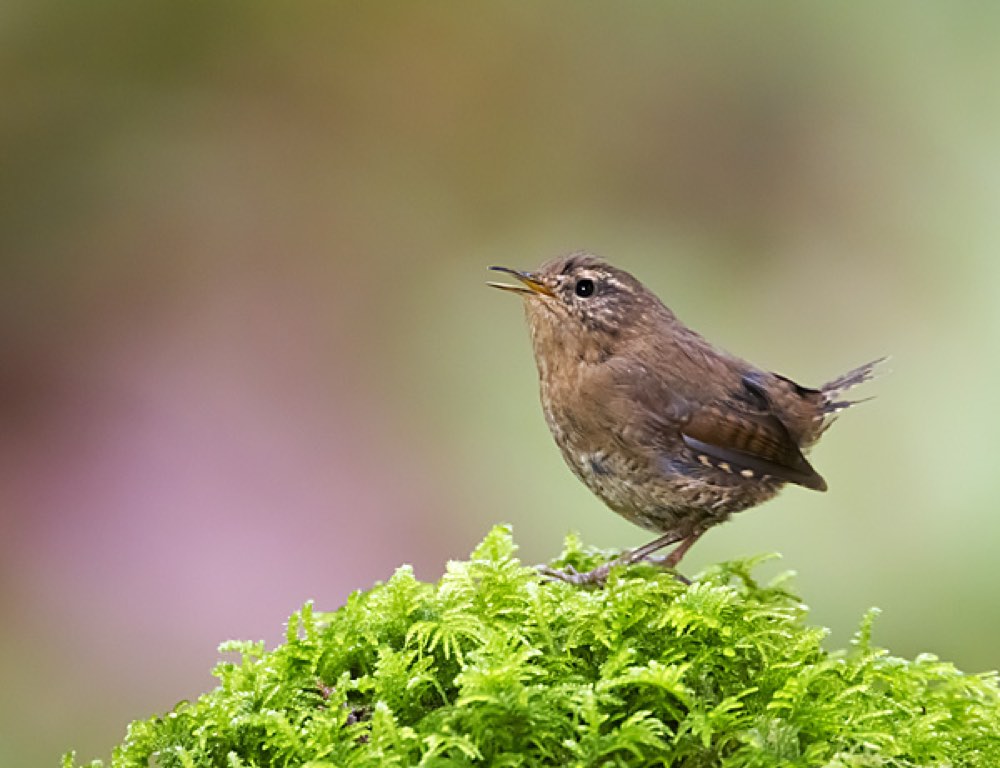
Very dark rich brown, heavily barred on the belly and flanks, with a stubby upright tail. Sexes look alike.
Female
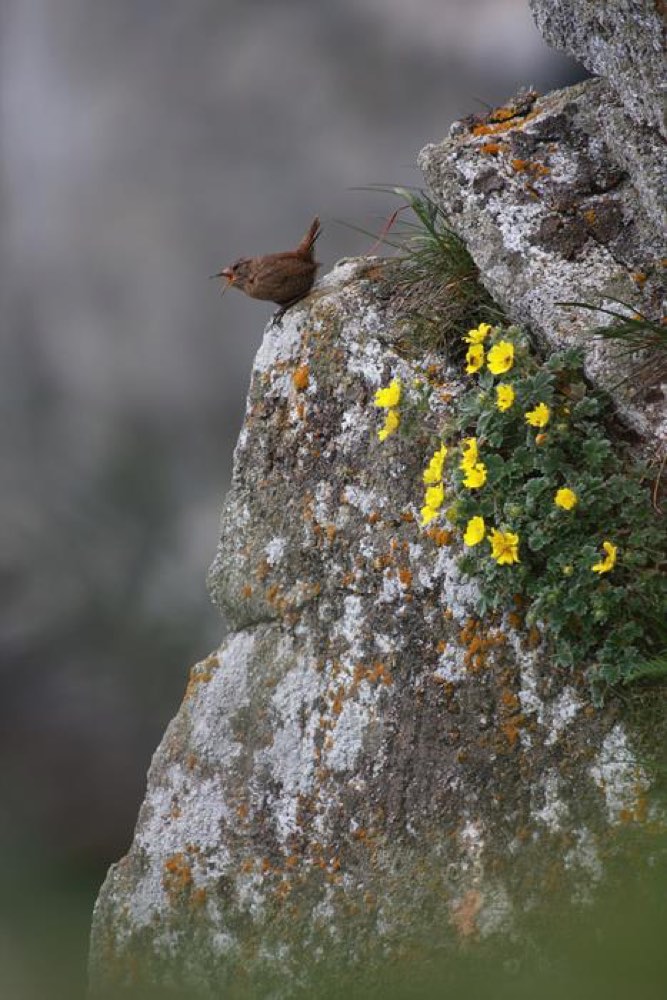
Identical to the male in the field.
Male photo: Eleanor Briccetti / Wikimedia, CC BY-SA 2.0 · Second photo: Carla Stanley, US Fish and Wildlife Service / Wikimedia, Public domain
Field marks
- Extremely short tail held straight up
- Dark chocolate-brown, darker than a Winter Wren
- Heavy barring on the flanks and belly
- Tiny, round, almost tailless silhouette
Similar species
What it sounds like
A very long, rapid, tumbling cascade of trills and buzzes lasting many seconds without a pause.
Behaviour that gives it away
Creeps mouse-like through mossy root tangles and fallen logs, often vanishing into a hole rather than flying off.
Habitat & range
Damp old-growth and mossy conifer forest along the Pacific coast and inland ranges.
When you'll see it
Present all year in western North America.
What it eats
Insects and spiders from mossy logs, roots and leaf litter.
Did you know?
It was split from the Winter Wren in 2010, after their songs and DNA proved to be more different than their looks suggested.
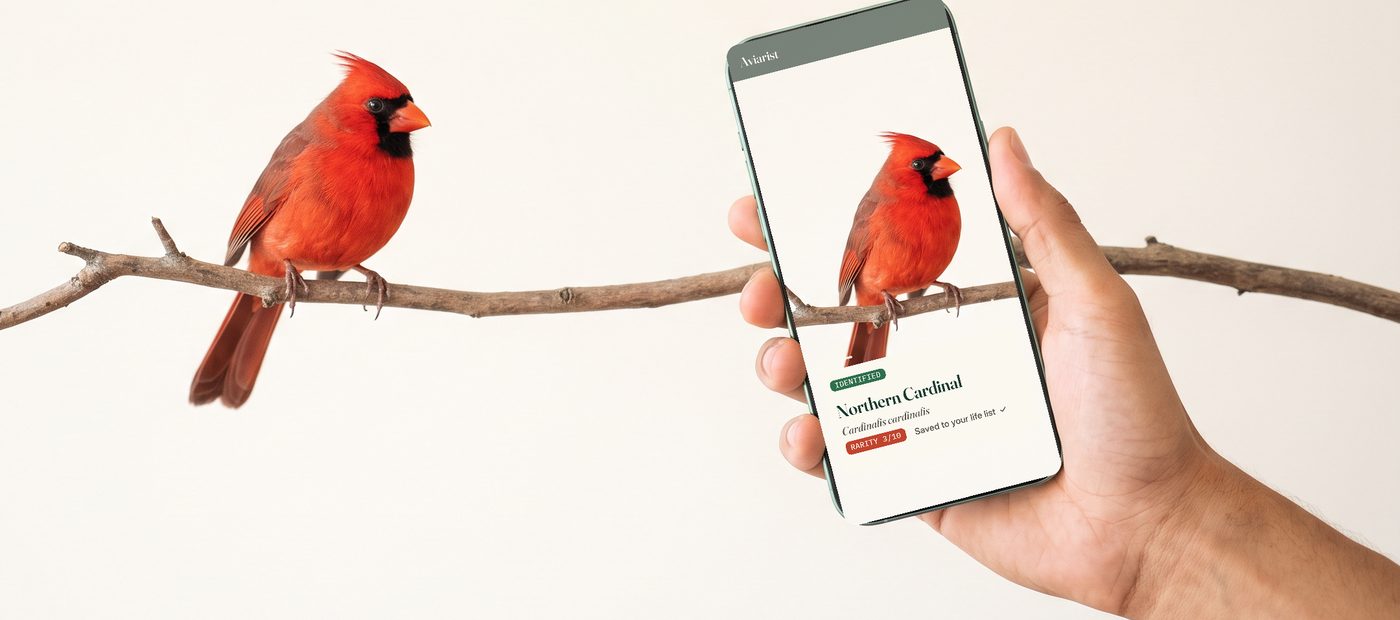

Spot one yourself?
Point your camera at any bird and Aviarist identifies it in seconds — then logs it to your life list.
Get Aviarist on Google Play
More backyard birds
.jpg)

Other apps we make